
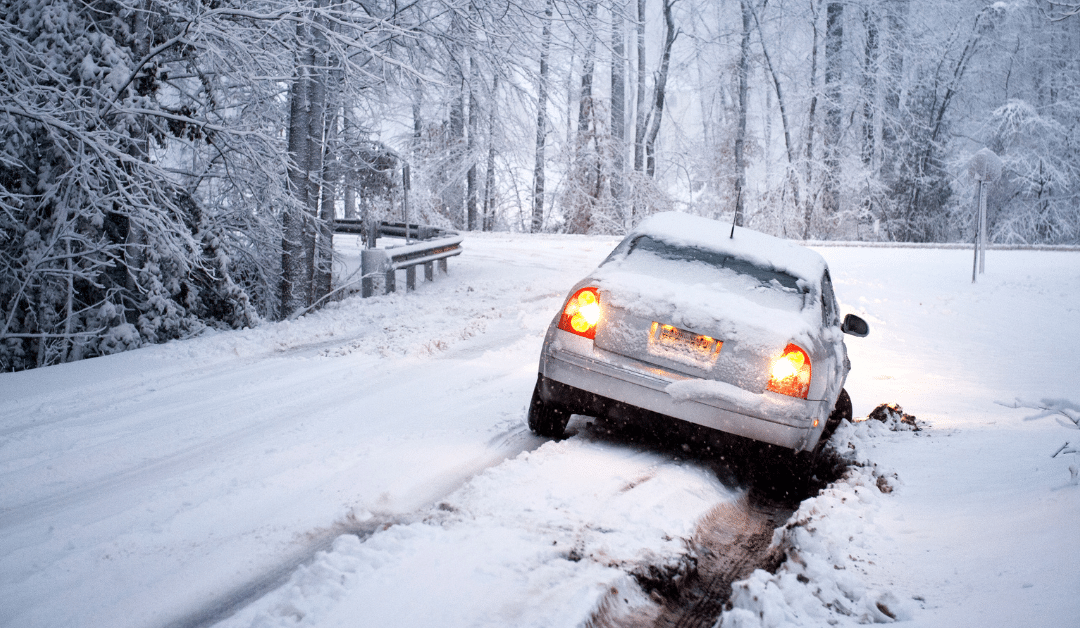
Winter driving comes with its own set of challenges. Snow, ice, freezing temperatures, and limited visibility can turn even a short drive into a risky situation. When a vehicle breaks down in winter conditions, the situation can quickly become more serious than it would be during warmer months. Knowing how to handle car breakdown recovery in winter is essential for your safety and peace of mind.
A winter breakdown is not just inconvenient. It can expose you to cold temperatures, dangerous road conditions, and limited access to help. Preparation and quick decision-making play a major role in how safely the situation is resolved. Understanding what to do, when to stay put, and when to call for professional help can make all the difference.
Why Winter Breakdowns Are More Dangerous
Cold weather affects vehicles in many ways. Batteries lose power faster, engines take longer to warm up, fluids thicken, and tires lose traction. Snow and ice reduce visibility and make it harder for other drivers to see a stopped vehicle on the road.
Winter also limits how long you can safely remain outside your vehicle. Exposure to freezing temperatures increases the risk of hypothermia, frostbite, and fatigue. That is why winter car breakdown recovery requires more caution and preparation than breakdowns in other seasons.
Road conditions may also slow response times. Snow-covered roads, accidents, and weather-related delays can make it harder for help to arrive quickly, which makes it even more important to know how to protect yourself while you wait.
Common Causes of Winter Breakdowns
Many winter breakdowns happen because cold temperatures stress vehicle components. Understanding common causes helps you recognize problems early and respond appropriately.
- Dead or weakened batteries
- Frozen or low coolant
- Tire blowouts from low pressure
- Engine overheating due to blocked airflow
- Fuel line freeze ups
- Loss of traction leading to accidents
When these problems occur, professional car breakdown recovery ensures the vehicle is handled safely and transported without causing further damage.
What To Do Immediately After a Winter Breakdown
If your vehicle breaks down in winter conditions, your first priority is safety. Panic can lead to poor decisions, so take a moment to assess your surroundings.
If the vehicle is still moving, slow down gradually and attempt to pull off the road as far as possible. Use turn signals early and avoid sudden braking on icy surfaces. Once stopped, turn on hazard lights immediately so other drivers can see you.
If you are on a busy road or highway, staying inside the vehicle with your seatbelt fastened is often safer than standing outside in freezing conditions. Exiting the vehicle should only be done if there is an immediate danger, such as smoke or fire.
These first moments set the tone for safe car breakdown recovery.
Stay Visible and Alert
Visibility is critical during winter breakdowns. Snowfall, fog, and early darkness make it harder for passing drivers to spot stopped vehicles.
Keep hazard lights on at all times. If it is safe to do so, place reflective warning triangles or flares behind the vehicle to increase visibility. Interior lights can also help emergency responders spot your car more easily.
Remain alert while waiting for help. Pay attention to traffic patterns and stay aware of your surroundings. Avoid distractions that could prevent you from reacting if conditions change.
Decide Whether to Stay in the Vehicle
In winter, staying inside the vehicle is often the safest option. The vehicle provides shelter from wind, snow, and cold temperatures. If your engine runs safely, you can periodically start it to warm up, but only if the exhaust pipe is clear of snow to prevent carbon monoxide buildup.
If you must exit the vehicle, move to a safe location away from traffic. Standing behind guardrails or embankments offers more protection than staying near the roadway. Never stand directly behind or in front of your vehicle where you could be struck by passing traffic.
Winter car breakdown recovery requires balancing warmth, visibility, and safety.
When to Call for Professional Car Breakdown Recovery
If your vehicle will not restart, cannot move safely, or has mechanical damage, calling for professional car breakdown recovery is the safest choice. Attempting repairs in freezing temperatures or poor road conditions increases the risk of injury and vehicle damage.
Professionals have the equipment, training, and experience to handle winter recoveries safely. Tow operators understand how to work in snow and ice and know how to secure vehicles properly without causing additional damage.
Calling early reduces the time you spend exposed to cold conditions and helps prevent the situation from becoming more dangerous.
What Information to Provide When You Call for Help
When requesting car breakdown recovery, providing accurate information helps responders reach you faster.
- Your exact location, including mile markers or nearby exits
- The direction you were traveling
- The type of vehicle you are driving
- A brief description of the problem
- Any visible hazards, such as snow buildup or poor visibility
Clear communication allows recovery teams to arrive with the right equipment and plan for safe access to your vehicle.
How Winter Recovery Is Different from Other Seasons
Winter car breakdown recovery often requires specialized equipment and techniques. Snow, ice, and limited traction affect how vehicles are loaded, secured, and transported.
Recovery operators may use flatbed trucks to prevent further damage or wheel slip. In severe conditions, winching may be required to pull a vehicle from snowbanks or ditches. Extra precautions are taken to protect both the vehicle and surrounding traffic.
Cold weather also affects how long certain tasks take. Ice buildup and frozen components can slow recovery, making patience and proper handling essential.
How Long Recovery May Take in Winter Conditions
Response times in winter can vary depending on weather severity, road closures, and call volume. Snowstorms and icy roads often increase the number of breakdowns and accidents, which can delay service.
While waiting, staying calm and following safety guidelines is important. Having winter supplies in your vehicle makes waiting more comfortable and safer.
Although winter recovery may take longer, professional teams work efficiently to minimize exposure and risk.
Winter Emergency Supplies Every Driver Should Carry
Being prepared can make winter car breakdown recovery much easier. Keeping essential items in your vehicle helps you stay warm and safe while waiting for help.
- Warm blankets or extra clothing
- Gloves and hats
- Flashlight with extra batteries
- Bottled water and non-perishable snacks
- Phone charger or power bank
- Reflective warning triangles
- Ice scraper and small shovel
These supplies do not prevent breakdowns, but they greatly improve comfort and safety during recovery.
Preventing Winter Breakdowns Before They Happen
The best way to avoid winter car breakdown recovery is proper preparation. Regular maintenance and winter readiness reduce the risk of being stranded.
- Test the battery and charging system
- Check tire tread and pressure
- Inspect antifreeze levels
- Replace worn belts and hoses
- Keep the fuel tank at least half full
- Address dashboard warning lights promptly
Routine inspections help identify issues early and reduce the likelihood of emergency recovery calls.
How Professional Recovery Protects Your Vehicle
Attempting to tow or move a vehicle without proper equipment can cause serious damage. Professional car breakdown recovery protects the vehicle by using correct attachment points, secure loading methods, and proper transport techniques.
Experienced operators know how to handle vehicles in icy conditions without stressing the frame, suspension, or drivetrain. This reduces repair costs and prevents additional damage during recovery.
Professional recovery is not just about moving the vehicle. It is about doing it safely and correctly.
What to Expect During the Recovery Process
Once the recovery team arrives, they will assess the situation and explain the plan. They will determine the safest method to load or move the vehicle based on conditions and vehicle type.
You may be asked to provide keys, unlock the vehicle, or move personal belongings if needed. The operator will secure the vehicle and transport it to the requested location, such as a repair shop or safe storage area.
Clear communication during this process helps ensure smooth car breakdown recovery.
Why Local Recovery Services Matter in Winter
Local recovery teams understand regional weather patterns, road layouts, and common trouble spots. This knowledge helps them respond more efficiently and safely during winter conditions.
Local providers are also more familiar with back roads, shortcuts, and alternate routes that may be necessary during snowstorms or road closures.
Choosing a trusted local provider ensures faster response times and safer recovery during winter emergencies.
Thoughts on Winter Car Breakdown Recovery
Winter breakdowns are stressful, but they do not have to be dangerous. Knowing how to respond, when to stay put, and when to call for help plays a major role in your safety.
Car breakdown recovery during winter requires preparation, awareness, and professional support. By understanding the risks and taking proactive steps, drivers can navigate winter emergencies with confidence.
Staying calm, visible, and informed makes all the difference when winter conditions turn a simple breakdown into a serious situation.
Need Help with Winter Car Breakdown Recovery?
If you are dealing with a winter breakdown or want to be prepared before the next storm, professional help is essential.
Stay up to date with the latest at V&M Towing and Recovery by following us on Instagram and Facebook.