
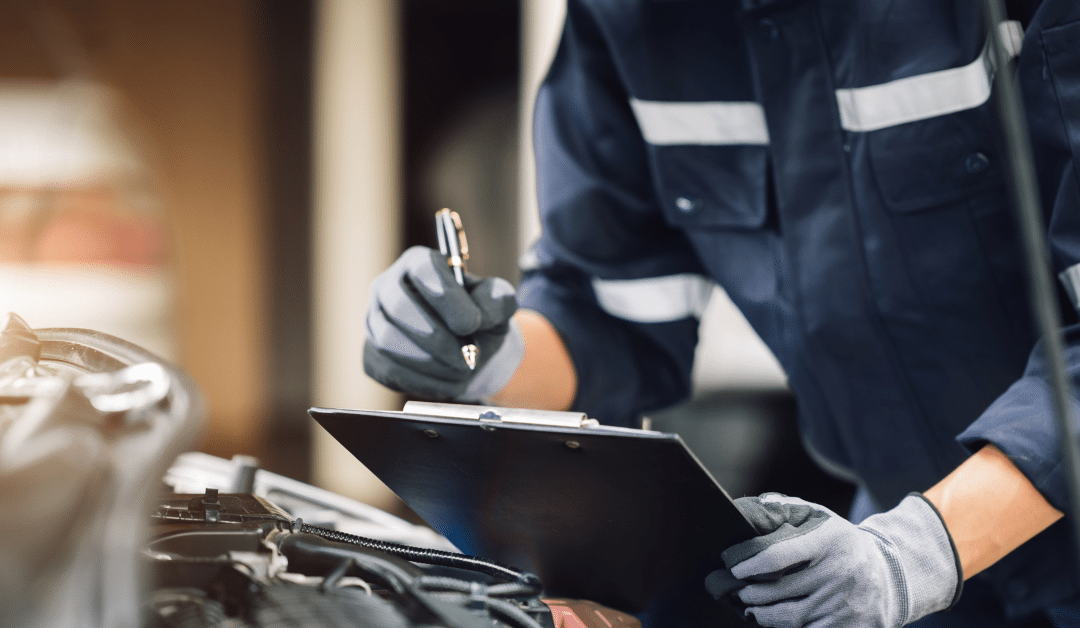
Bringing your vehicle in for a required inspection can feel stressful, especially if you are unsure whether it will pass. Many drivers only think about maintenance when a warning light appears or something starts making noise. However, state inspections are designed to ensure vehicles meet safety and emissions standards that protect drivers, passengers, and everyone else on the road.
Understanding the most common reasons vehicles fail a car inspection service can help you prepare ahead of time and avoid unexpected delays. Failing an inspection does not always mean major repairs are needed, but it does signal that something requires attention. When you know what inspectors look for, you can take proactive steps to address potential issues before your appointment.
Why Vehicle Inspections Matter
A car inspection service is more than a routine requirement. It plays a key role in maintaining road safety and reducing environmental impact. Inspections help identify worn components, safety hazards, and emissions problems that could otherwise go unnoticed.
Brakes, tires, lights, suspension systems, and emissions controls are all critical to safe driving. Even small issues can increase the risk of accidents or mechanical breakdowns. By requiring vehicles to pass inspection, states ensure that drivers maintain a minimum safety standard.
Failing an inspection should not be viewed as a setback. Instead, it is an opportunity to correct problems before they become more expensive or dangerous.
1. Worn or Faulty Brakes
Brake problems are one of the most common reasons vehicles fail a car inspection service. Because brakes are essential for safe stopping, inspectors examine brake pads, rotors, calipers, and brake lines carefully.
Worn brake pads reduce stopping power. Warped rotors may cause vibration when braking. Leaking brake fluid or damaged lines present serious safety concerns. If any component falls below acceptable standards, the vehicle will not pass inspection.
Regular brake maintenance reduces the likelihood of failure. If you notice squeaking, grinding, or a soft brake pedal, scheduling service before your inspection can prevent delays.
2. Tire Issues and Insufficient Tread Depth
Tires must have adequate tread depth to maintain traction, especially in wet or icy conditions. Bald or unevenly worn tires are a frequent reason vehicles fail a car inspection service.
Inspectors measure tread depth to ensure it meets legal requirements. They also check for visible damage such as cracks, bulges, or exposed cords. Tires that are severely worn or unsafe will not pass.
Keeping tires properly inflated and rotating them regularly helps extend their lifespan and improves your chances of passing inspection.
3. Malfunctioning Lights and Signals
Working lights are critical for visibility and communication with other drivers. Burned out headlights, brake lights, turn signals, or license plate lights can cause a vehicle to fail a car inspection service.
Inspectors verify that all exterior lights function correctly and that lenses are not cracked or excessively cloudy. Even a single non working bulb may result in a failed inspection.
Before your appointment, take a few minutes to check all lights and replace any that are not working properly.
4. Check Engine Light and Emissions Problems
One of the most common reasons for failure during a car inspection service is an illuminated check engine light. Modern vehicles rely on onboard diagnostics to monitor engine performance and emissions systems.
If the check engine light is on, it often indicates an issue with emissions components such as oxygen sensors, catalytic converters, or evaporative systems. Even minor problems can trigger a warning light and lead to inspection failure.
Addressing warning lights promptly improves both performance and environmental compliance. Simply clearing codes without fixing the issue will not solve the problem long term.
5. Suspension and Steering Issues
Suspension and steering components help maintain vehicle control and stability. Worn shocks, struts, ball joints, or tie rods can compromise safety and lead to inspection failure.
Inspectors check for excessive play, leaks, or damaged components. If steering feels loose or the vehicle pulls to one side, these may be signs of suspension concerns that should be addressed before your car inspection service.
6. Windshield and Visibility Concerns
Clear visibility is essential for safe driving. Cracked windshields, damaged mirrors, or non functioning windshield wipers may result in failure.
Inspectors ensure that windshields are free of significant cracks that obstruct the driver’s view. Wipers must function properly, and washer fluid systems should operate correctly.
Replacing damaged wiper blades and addressing windshield cracks before your inspection can prevent avoidable failure.
7. Exhaust System Damage
A damaged exhaust system not only increases emissions but also creates noise and safety hazards. Holes, leaks, or missing components in the exhaust system can cause a vehicle to fail a car inspection service.
Inspectors check for excessive noise, visible rust damage, and leaks that could release harmful gases. A properly functioning exhaust system improves fuel efficiency and reduces environmental impact.
8. Fluid Leaks
Leaking fluids are another frequent cause of inspection failure. Oil, coolant, brake fluid, or transmission fluid leaks may indicate deeper mechanical problems.
During a car inspection service, technicians look for visible leaks under the vehicle and around engine components. Even small leaks can signal the need for repair.
Regular maintenance and prompt attention to fluid spots in your driveway help prevent inspection issues.
9. Horn and Safety Equipment Failure
Basic safety equipment such as the horn must function properly. Although it may seem minor, a non working horn can result in inspection failure because it is essential for alerting other drivers.
Seatbelts are also checked to ensure they latch and retract correctly. Safety equipment failures are often simple to fix but must be addressed before passing inspection.
10. Improperly Secured or Missing Components
Inspectors check that essential components are properly mounted and secure. Loose batteries, missing covers, or improperly attached parts can cause a vehicle to fail a car inspection service.
These issues may not affect performance immediately but still represent safety concerns that need correction.
How to Prepare for Your Inspection
Preparation significantly improves your chances of passing. Before scheduling a car inspection service, consider checking all lights and signals, tire tread depth and pressure, brake performance, fluid levels, warning lights, and wiper blade condition.
Taking a few minutes to review these items can save time and reduce the risk of failure.
What Happens If You Fail
Failing a car inspection service does not mean your vehicle is beyond repair. In most cases, you will receive a report detailing the specific reasons for failure. Once repairs are completed, you can return for reinspection.
Addressing problems quickly prevents additional penalties and ensures your vehicle remains legally registered and safe to operate.
The Importance of Regular Maintenance
Routine maintenance is the best way to avoid failing a car inspection service. Oil changes, brake inspections, tire rotations, and diagnostic scans help identify issues early.
When drivers stay proactive, inspections become routine rather than stressful events. Maintenance not only improves the likelihood of passing but also extends the life of the vehicle.
A Smoother Experience
Understanding the common reasons vehicles fail a car inspection service empowers drivers to take control of their vehicle’s condition. From worn brakes and tires to emissions problems and fluid leaks, most inspection failures are preventable with proper care.
Preparing ahead of time, addressing warning signs early, and maintaining your vehicle regularly ensures a smoother inspection experience. A dependable inspection provider can also answer questions and guide you through any necessary repairs.
Schedule Your Inspection Today
If you need a dependable car inspection service, our team is here to help. We are committed to keeping your vehicle safe, compliant, and ready for the road.
Stay up to date with the latest at V&M Towing and Recovery by following us on Instagram and Facebook.