
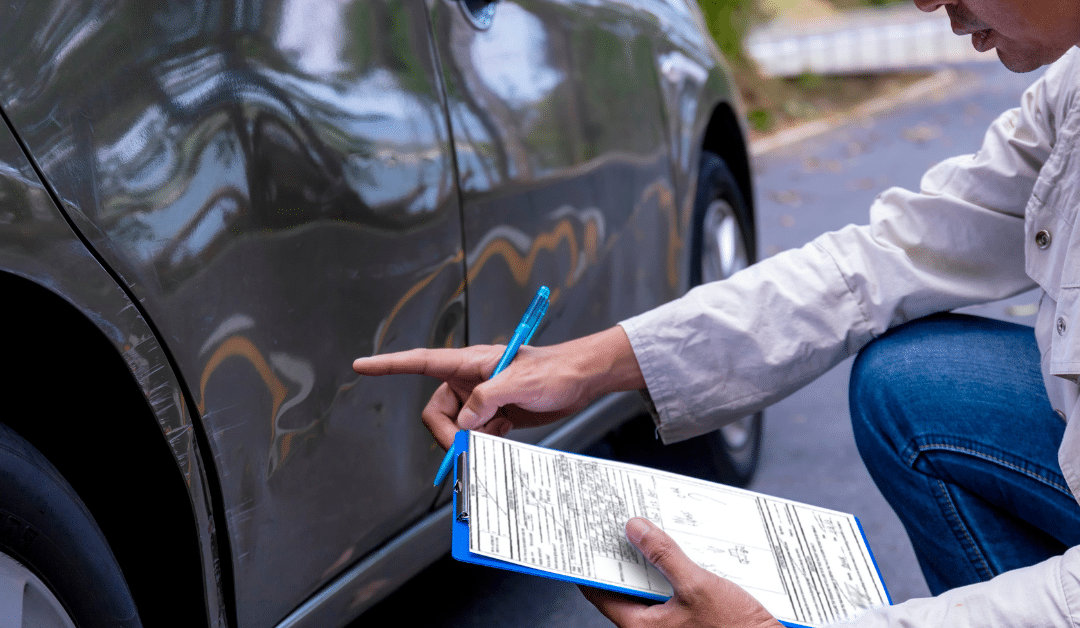
Buying a used vehicle can be an excellent way to save money while still getting a dependable mode of transportation. Many pre-owned vehicles have years of reliable service left to offer, and purchasing used often allows buyers to afford a higher trim level or additional features than they could if buying new. However, every used vehicle has a history, and not all of that history is immediately visible.
A vehicle may appear clean, drive well during a short test drive, and still have underlying mechanical problems that become expensive after the purchase. Hidden issues involving the engine, transmission, suspension, brakes, or electrical system can quickly turn what seemed like a great deal into a costly mistake.
One of the smartest decisions any buyer can make before signing paperwork is scheduling a professional car inspection. Having the vehicle thoroughly evaluated before purchasing provides valuable information about its condition and can help you make a more confident buying decision.
Whether you are purchasing from a dealership, private seller, family member, or online marketplace, taking the time to arrange a professional inspection can save thousands of dollars in unexpected repairs.
Why Used Vehicles Deserve Extra Attention
Unlike new vehicles, used cars have already experienced years of driving, weather conditions, maintenance, and normal wear. Some owners perform regular maintenance exactly as recommended, while others postpone oil changes, ignore warning lights, or delay repairs.
Because of this, two vehicles with the same year and mileage may be in completely different mechanical condition.
A professional car inspection helps identify problems that cannot always be seen during a walk-around or short test drive. Experienced technicians know where to look for warning signs that many buyers overlook.
The inspection provides a much clearer picture of the vehicle’s overall health before you commit to purchasing it.
A Test Drive Doesn’t Tell the Whole Story
Taking a used vehicle for a test drive is important, but it has limitations.
During a short drive, you may notice obvious issues such as unusual noises, steering problems, or poor braking. However, many mechanical problems only appear under specific driving conditions or after longer periods of operation.
For example, a transmission may shift normally while cold but begin slipping once it reaches operating temperature. A cooling system may perform well during city driving but overheat after extended highway use.
Many electrical problems also occur intermittently, making them difficult to identify during a brief test drive.
A car inspection goes far beyond simply driving the vehicle. Technicians perform a thorough evaluation of major systems using professional tools and diagnostic equipment.
What a Professional Inspection Includes
A comprehensive car inspection examines far more than the vehicle’s appearance.
While every inspection may vary slightly, technicians commonly evaluate:
- Engine condition
- Transmission performance
- Brake system
- Steering and suspension
- Tires and wheels
- Battery and charging system
- Cooling system
- Belts and hoses
- Fluid levels and leaks
- Exterior lights
- Windshield and wipers
- Exhaust system
Many repair facilities also perform computer diagnostics to identify stored trouble codes that may not currently trigger dashboard warning lights.
This detailed approach helps uncover existing problems as well as potential repairs that may become necessary in the near future.
Hidden Problems Can Be Expensive
Some mechanical issues remain hidden until after the sale.
Examples include:
- Engine oil leaks
- Transmission fluid leaks
- Worn suspension components
- Cooling system failures
- Brake wear
- Electrical issues
- Failing alternators
- Weak batteries
Without a professional car inspection, these problems may not become obvious until weeks or even days after purchasing the vehicle.
Repairing major components can quickly add thousands of dollars to the overall cost of ownership.
Knowing about these issues beforehand allows you to negotiate repairs, adjust the purchase price, or walk away from a vehicle that isn’t worth the investment.
Previous Accident Damage Isn’t Always Obvious
Many vehicles involved in collisions are repaired well enough to appear normal during a casual inspection.
However, hidden structural damage may still exist beneath the surface.
Experienced technicians know how to identify signs such as:
- Uneven body gaps
- Frame damage
- Poor paint matching
- Improper panel alignment
- Suspension irregularities
- Evidence of previous repairs
A professional car inspection helps determine whether previous accident damage may affect the vehicle’s safety or long-term reliability.
Tires Reveal More Than You Might Think
Tires provide valuable clues about how a vehicle has been maintained.
Uneven tread wear may indicate alignment problems, worn suspension parts, or improper tire maintenance. A car inspection can catch these issues even when they are hard to see initially.
Technicians also examine:
- Tread depth
- Tire age
- Sidewall damage
- Proper inflation
- Matching tire sizes
Replacing a full set of tires represents a significant expense, making this an important part of any pre-purchase evaluation.
Brakes Are One of the Most Important Safety Systems
Brake repairs are among the most common maintenance expenses after purchasing a used vehicle.
During a professional inspection, technicians evaluate brake pads, rotors, calipers, brake lines, and overall braking performance. If components are approaching the end of their service life, you’ll know before purchasing the vehicle rather than discovering the problem after taking it home.
Knowing upcoming maintenance needs helps you budget more accurately for future ownership.
Computer Diagnostics Can Reveal Hidden Issues
Today’s vehicles rely heavily on onboard computers, and a car inspection is vital in uncovering any hidden issues.
Even if no dashboard warning lights are currently illuminated, stored diagnostic trouble codes may reveal intermittent or recently cleared problems.
Professional scan tools allow technicians to identify issues involving:
- Engine performance
- Emissions systems
- Transmission operation
- Electrical components
- Sensors
- Charging systems
These electronic evaluations provide information that simply isn’t available during a visual inspection alone.
Maintenance Records Tell an Important Story
Whenever possible, ask the seller for maintenance records.
Receipts showing regular oil changes, brake service, coolant flushes, transmission maintenance, and scheduled inspections demonstrate responsible ownership.
However, even if maintenance records appear complete, they should never replace a professional car inspection.
Documentation shows what work has been performed, but it doesn’t necessarily reflect the vehicle’s current condition.
Professional inspections verify that major systems are operating properly today.
Use the Inspection Results to Negotiate
One of the biggest advantages of scheduling an inspection before purchasing a used vehicle is the opportunity to negotiate. If the technician identifies worn parts or repairs that will be needed soon, you have valuable information before committing to the purchase.
Depending on the results, you may choose to:
- Ask the seller to complete repairs before the sale.
- Request a lower purchase price to offset repair costs.
- Decide that the vehicle is no longer worth buying.
A professional car inspection gives you facts instead of assumptions. Rather than guessing about the condition of the vehicle, you can make decisions based on an expert evaluation.
Many buyers recover the cost of the inspection simply by negotiating a better purchase price.
Understand the Difference Between Minor and Major Repairs
Every used vehicle will have some level of wear. The goal of an inspection is not necessarily to find a perfect vehicle, but to understand its overall condition.
Minor maintenance items often include:
- Worn windshield wiper blades
- Cabin or engine air filters
- Tire rotations
- Oil changes
- Small fluid top-offs
Major concerns may include engine problems, transmission issues, suspension damage, cooling system failures, structural damage, or brake system repairs.
A car inspection helps separate routine maintenance from expensive repairs so you know exactly what you are buying.
Protect Your Investment
Purchasing a vehicle is one of the largest financial decisions many people make. Even when buying used, the investment can represent thousands of dollars.
Taking the time to schedule a professional inspection helps protect that investment by reducing uncertainty. Instead of hoping the vehicle is mechanically sound, you receive a professional assessment from trained technicians.
Knowing the vehicle’s condition also helps you plan future maintenance and ownership costs more accurately.
An inspection may seem like an additional expense during the buying process, but it often prevents much larger financial surprises later.
Common Mistakes Used Car Buyers Make
Many buyers become excited when they find a vehicle that looks clean and fits their budget. Unfortunately, excitement sometimes leads to rushed decisions.
Some of the most common mistakes include:
- Skipping the inspection to save money.
- Relying only on a short test drive.
- Ignoring small warning signs.
- Assuming low mileage means excellent condition.
- Purchasing without reviewing maintenance history.
Avoiding these mistakes greatly improves your chances of buying a dependable vehicle.
A professional car inspection provides information that helps you make a confident decision instead of an emotional one.
Inspections Offer Peace of Mind
One of the greatest benefits of scheduling an inspection is confidence.
Buying a used vehicle always involves some uncertainty, but a professional evaluation significantly reduces that uncertainty. Whether the inspection identifies problems or confirms the vehicle is in excellent condition, you gain valuable information before making your final decision.
Knowing that an experienced technician has evaluated the vehicle allows you to complete the purchase with much greater peace of mind.
Continue Routine Inspections After You Buy
The inspection should not be the last time your vehicle is evaluated.
Once you purchase your vehicle, regular maintenance and periodic inspections help keep it operating safely for years to come.
Following the manufacturer’s maintenance schedule, changing fluids regularly, replacing worn components promptly, and addressing warning lights early all contribute to long-term reliability.
Making routine service a priority helps maximize the value of your investment while reducing the likelihood of unexpected breakdowns.
Valuable Insight
Buying a used vehicle can be an excellent financial decision, but only when you understand exactly what you are purchasing. While a vehicle may look great on the outside and perform well during a short test drive, hidden mechanical problems can quickly turn a good deal into an expensive one.
Scheduling a professional car inspection before completing the purchase provides valuable insight into the vehicle’s condition. From evaluating the engine and transmission to checking the brakes, suspension, tires, and electrical systems, a thorough inspection helps uncover issues that many buyers would never notice on their own.
Taking the time to arrange an inspection protects your investment, strengthens your negotiating position, and gives you greater confidence throughout the buying process. It is one of the smartest steps you can take before purchasing any used vehicle.
Need a Professional Vehicle Inspection?
If you’re considering purchasing a used vehicle, V&M Towing can help you make a more informed decision with a thorough inspection.
Stay up to date with the latest at V&M Towing and Recovery by following us on Instagram and Facebook.