
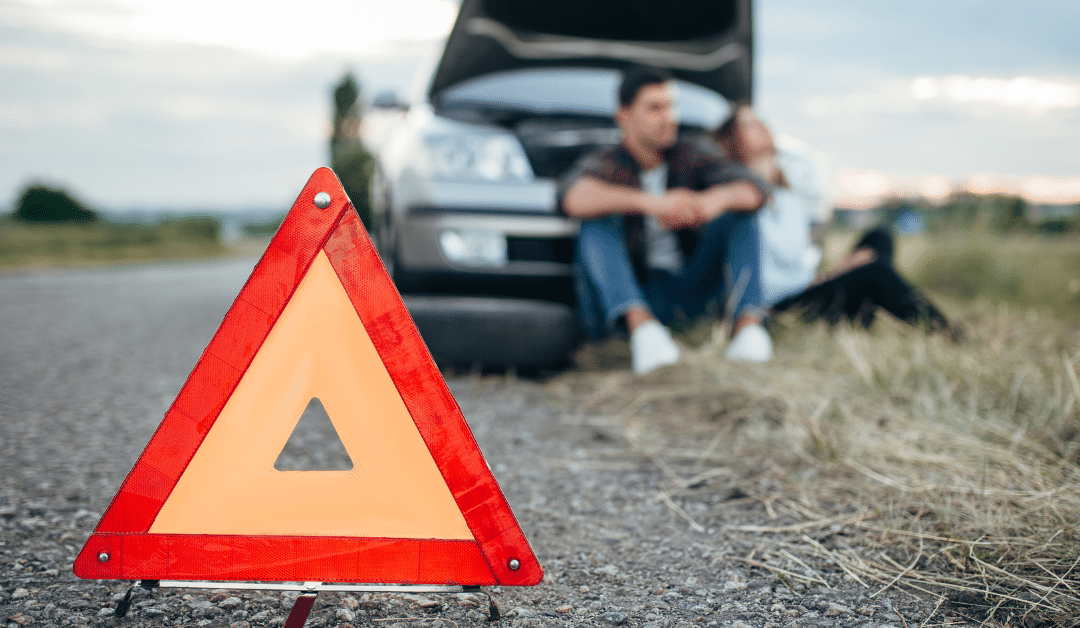
A vehicle breakdown can happen when you least expect it. You may be commuting to work, heading home after a long day, taking the family on a road trip, or simply running errands when your vehicle suddenly begins acting differently. A warning light might appear, the engine could lose power, or you may hear a strange noise that tells you something is wrong.
Knowing what to do during those first few minutes can make a stressful situation much easier to handle. Your priorities should be getting yourself and your vehicle into the safest position possible, determining whether it is safe to continue driving, and contacting roadside assistance for a car breakdown when professional help is necessary.
Although every roadside emergency is different, having a basic plan can help you make safer decisions when you’re under pressure. Here’s what drivers should do first when a vehicle problem interrupts their trip.
1. Pay Attention to the First Signs of Trouble
Many vehicles provide some warning before becoming completely disabled. Recognizing those warning signs can give you valuable time to find a safer place to stop.
Watch for dashboard warning lights, sudden changes in engine performance, steering problems, unusual vibrations, smoke, steam, strange smells, or unfamiliar noises. Your vehicle may also begin losing power or responding differently when you accelerate.
Do not assume you can continue driving simply because the vehicle is still moving. Certain problems can become significantly worse when the vehicle remains in operation.
For example, driving an overheating engine can cause serious internal damage. Continuing to drive with low oil pressure can also result in expensive engine repairs.
When you suspect a serious mechanical problem, finding a safe place to stop and arranging roadside assistance for a car breakdown is often much better than attempting to reach your destination.
2. Move Your Vehicle Away From Traffic
If your vehicle is still operational, begin looking for a safe location to pull over.
Turn on your hazard lights to alert other drivers and gradually reduce your speed. Avoid sudden braking or abrupt lane changes whenever possible.
Ideally, move into a parking lot, rest area, side street, or wide shoulder. If you are on a highway, try to move as far away from active traffic lanes as safely possible.
Once stopped, put the vehicle in park, engage the parking brake, and keep your hazard lights activated.
If the vehicle becomes disabled in an active traffic lane and cannot be moved, remain aware of surrounding traffic and contact emergency services if the situation creates an immediate danger.
3. Decide Whether It Is Safe to Leave the Vehicle
Many drivers instinctively get out of their vehicle as soon as something goes wrong. Depending on your location, remaining inside may actually be safer.
If you are stopped along a busy highway with vehicles passing only a few feet away, exiting through the driver’s side could place you directly next to moving traffic.
When the vehicle is safely positioned away from traffic and you need to exit, use the door farthest from the roadway whenever possible.
Keep children and pets safely contained rather than allowing them to walk around near traffic.
While waiting for roadside assistance for a car breakdown, your location and surroundings should determine whether staying inside or moving farther away from the vehicle is the safer choice.
4. Assess the Problem Without Taking Unnecessary Risks
Once you are in a safe location, consider what happened immediately before the vehicle stopped.
Did the temperature gauge rise? Did you hear a loud pop from a tire? Did the engine shut off suddenly? Did the battery seem weak when you started the vehicle earlier?
These details can help a towing or roadside assistance provider determine what type of help you may need.
However, avoid attempting complicated repairs along the roadway. Even if you are comfortable performing basic automotive maintenance at home, working beside fast-moving traffic creates additional risks.
Some problems are also difficult to diagnose without professional tools.
You do not need to know exactly what failed before requesting roadside assistance for a car breakdown. Providing a description of the symptoms is often enough for the provider to determine the next appropriate step.
5. Look for Obvious Problems
If your vehicle is safely parked and conditions allow you to inspect it without approaching traffic, you may be able to identify an obvious cause.
Walk around the vehicle and look for:
- A flat or damaged tire
- Smoke or steam
- Fluid underneath the vehicle
- Loose exterior components
- Visible collision damage
- Unusual smells
Do not open the radiator cap if the engine has overheated. The cooling system can remain pressurized while hot, and opening it may release dangerously hot coolant.
You should also avoid crawling underneath a disabled vehicle along the roadside.
The goal is simply to gather useful information, not perform a complete mechanical diagnosis.
6. Know When to Stop Trying to Drive
One of the most important decisions during a breakdown is recognizing when your vehicle should no longer be driven.
Sometimes drivers attempt to travel “just a few more miles” because they want to reach home, a repair facility, or a safer destination. Unfortunately, those extra miles can turn a relatively minor repair into a major one.
Stop driving if you notice serious overheating, loss of oil pressure, significant brake problems, steering difficulty, severe vibrations, major tire damage, smoke, or unusual mechanical noises.
Calling roadside assistance for a car breakdown can protect your vehicle from additional damage while keeping you from operating a vehicle that may no longer be safe.
A tow is inconvenient, but replacing an engine or transmission because you continued driving can be significantly more expensive.
7. Provide an Accurate Location
Once you decide to call for help, determining your location is one of the most important things you can do.
If you are unfamiliar with the area, check your phone’s map for a nearby road, intersection, highway exit, business, or landmark.
On highways, note the direction you were traveling. Saying that you are on a particular highway may not be enough if the towing provider does not know which side of the road you are on.
Mile markers can also be extremely helpful.
Providing clear location details helps roadside assistance for a car breakdown reach you more efficiently and reduces confusion when the driver gets close.
8. Explain What Happened
When contacting a towing or roadside assistance provider, describe the problem as clearly as possible.
Explain what you noticed before the vehicle stopped, whether it can still move, and whether there is visible damage.
You may be asked for information such as:
- Vehicle make and model
- Approximate location
- Direction of travel
- Nature of the problem
- Whether the vehicle is blocking traffic
- Whether an accident occurred
These details allow the provider to better understand your situation and determine what type of equipment or service may be appropriate.
You do not need extensive automotive knowledge. Simply explain what you saw, heard, smelled, or felt when the problem occurred.
9. Understand When Roadside Help May Be Enough
A breakdown does not always mean your vehicle needs to be towed.
Depending on the problem, roadside assistance may be able to resolve certain issues where the vehicle is located. A weak battery, for example, may be addressed with a jumpstart if there is no underlying charging system failure.
Other roadside problems may require a different solution depending on the condition of the vehicle.
Professional roadside assistance for a car breakdown can help determine whether the problem can reasonably be addressed where you are or whether the vehicle should be transported to a repair facility.
If there is uncertainty about the safety of driving, towing is usually preferable to risking further mechanical damage.
10. Stay Visible While You Wait
Visibility is particularly important when a breakdown happens at night, during rain, or in another low-visibility situation.
Keep your hazard lights on. If you have reflective warning triangles and can place them without entering traffic, they may help other drivers recognize that your vehicle is disabled.
Avoid standing directly behind or in front of the vehicle where another driver could strike you if they leave the roadway.
If you are waiting inside the vehicle, keep your doors locked and phone nearby.
When you have contacted roadside assistance for a car breakdown, monitor your phone so the responding driver can reach you if they need additional information about your location.
11. Be Prepared for Weather Conditions
Weather can make a roadside emergency more challenging.
During hot weather, a disabled vehicle can quickly become uncomfortable, especially if the engine cannot run and the air conditioning is unavailable. Keep drinking water in your vehicle and be especially mindful of children, pets, and older passengers.
Cold weather creates different concerns. Blankets, gloves, warm clothing, and a portable phone charger are valuable emergency supplies during winter.
Heavy rain, snow, or thunderstorms can also affect whether it is safe to exit the vehicle.
Preparing for seasonal conditions helps you remain safer and more comfortable while waiting for help.
12. Keep a Roadside Emergency Kit in Your Vehicle
A simple emergency kit can make an unexpected breakdown easier to manage.
Consider keeping the following items in your vehicle:
- Flashlight
- First aid kit
- Reflective warning triangles
- Portable phone charger
- Bottled water
- Basic tools
- Work gloves
- Blanket
- Nonperishable snacks
You may never need most of these supplies, but having them available is far better than wishing you had them after becoming stranded.
You should also save the contact information for roadside assistance for a car breakdown in your phone before an emergency happens.
What Are Some Common Causes of Car Breakdowns?
Vehicle breakdowns happen for many reasons, but some problems are particularly common.
Battery trouble is a frequent culprit. Batteries naturally weaken with age and may struggle during periods of extreme heat or cold. A failing alternator can create similar symptoms by preventing the battery from charging properly.
Tire problems are another common source of roadside trouble. Punctures, worn tread, incorrect pressure, and road hazards can result in sudden tire failure.
Cooling system problems can lead to overheating, while worn belts or hoses may fail unexpectedly. Fuel system, electrical, transmission, and engine problems can also leave a vehicle unable to continue safely.
Regular maintenance reduces many of these risks, but no vehicle is completely immune to unexpected mechanical trouble.
Can Routine Maintenance Help Prevent Breakdowns?
Many breakdowns provide warning signs before they leave a vehicle completely disabled.
Routine inspections allow technicians to identify worn parts, leaks, weak batteries, damaged tires, deteriorating belts, and other concerns before they become roadside emergencies.
Pay attention to your vehicle between appointments as well. If it becomes harder to start, begins making unusual noises, develops a vibration, or displays a dashboard warning light, schedule an inspection rather than waiting for the problem to worsen.
Preventive maintenance cannot guarantee that you will never need roadside assistance for a car breakdown, but it can significantly reduce your chances of experiencing preventable problems.
What Happens If Your Vehicle Needs Towing?
If the issue cannot be safely resolved where your vehicle is located, towing may be the next step.
The towing professional can evaluate the vehicle’s position and determine an appropriate way to transport it. You can then have the vehicle taken to a repair facility where technicians can properly diagnose the problem.
Avoid attempting to move a severely damaged or mechanically compromised vehicle simply because it can still start. Being able to move does not necessarily mean a vehicle is safe to drive.
Professional towing can help prevent further damage while getting your vehicle somewhere it can receive the repairs it needs.
Prepare Before the Next Breakdown Happens
No driver expects to break down when leaving home in the morning. That is exactly why preparing ahead of time is so useful.
Keep your vehicle maintained, pay attention to changes in its performance, and maintain an emergency kit. Make sure your phone stays charged while traveling and keep important vehicle information accessible.
Most importantly, save the number of a trusted provider offering roadside assistance for a car breakdown before you actually need help.
Having a plan means you will not have to figure everything out while sitting alongside an unfamiliar road.
Making the Best Of Your Situation
A car breakdown is frustrating, but the decisions you make immediately afterward can help keep the situation from becoming worse. Start by moving away from traffic whenever possible, activating your hazard lights, and determining whether it is safe to remain in or exit the vehicle.
Avoid continuing to drive when your vehicle shows signs of a serious mechanical problem. Trying to make it home or reach a repair shop can result in additional damage and potentially create a dangerous situation.
When you need roadside assistance for a car breakdown, provide clear information about your location, vehicle, and the symptoms you experienced. From there, professionals can help determine whether roadside help is appropriate or towing is the safer solution.
A little preparation today can make an unexpected breakdown much easier to handle tomorrow.
Stay up to date with the latest at V&M Towing and Recovery by following us on Instagram and Facebook.