
Car trouble rarely happens at a convenient time. You might walk outside in the morning to discover that your vehicle will not start, notice a warning light while driving to work, or experience a mechanical problem miles away from home. Once you are safely stopped, the next question is often: Who should you call?
Depending on what is wrong with your vehicle, you may need a mobile mechanic or a tow truck. While both can help when your vehicle develops a problem, they serve different purposes. Some issues can potentially be diagnosed or repaired where your vehicle is located. Other problems make driving unsafe and require the vehicle to be transported to a repair facility.
Understanding the difference can save time and help prevent additional damage to your car. Here is what drivers should consider when deciding which type of assistance they need.
What Does a Mobile Mechanic Do?
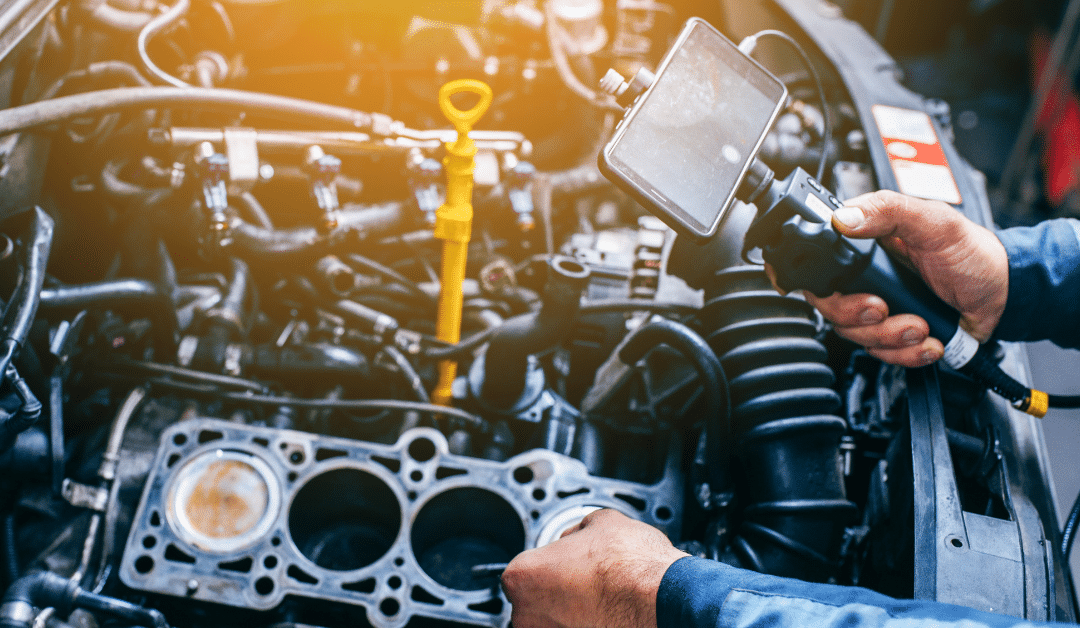
A mobile mechanic brings automotive diagnostic and repair services directly to the vehicle rather than requiring you to take the car to a traditional repair facility. Depending on the type of problem and available equipment, certain services can be performed at your home, workplace, or another suitable location.
This can be particularly convenient when a vehicle will not start or when driving it could make an existing problem worse.
The services available depend on the provider, vehicle, and repair involved. Some problems are relatively straightforward to diagnose outside a repair shop. Others require specialized equipment, a vehicle lift, extensive disassembly, or a controlled shop environment.
The first step is explaining the symptoms clearly so the technician can determine whether on-site service is appropriate.
What Does a Tow Truck Do?
A tow truck serves a different purpose. Instead of attempting to repair the vehicle where it stopped, towing allows a disabled, damaged, or unsafe vehicle to be transported to another location.
You may need towing after a collision, major mechanical failure, severe tire problem, overheating incident, transmission failure, or another situation where continuing to drive could be dangerous.
Towing is also useful when the repair cannot reasonably be completed roadside. Even if a technician can identify what is wrong, certain repairs simply require equipment available at a repair facility.
Choosing between towing and a mobile mechanic’s on-site repair depends primarily on the condition of your vehicle and the type of problem you are experiencing.
When Your Car Will Not Start
A vehicle that will not start is one of the most common reasons drivers seek assistance.
Several problems can cause a no-start condition. The battery may be discharged, the starter could be failing, the charging system may have a problem, or another electrical or mechanical issue may prevent the engine from running.
If the vehicle is parked somewhere safe, a mobile mechanic may be able to inspect it and determine why it will not start. If the problem can be corrected safely at that location, towing may not be necessary.
However, a vehicle that cannot be repaired where it is parked may still need to be transported to a shop for further diagnosis.
The important thing is not to assume every no-start condition is simply a dead battery. Repeatedly jump-starting a vehicle without determining why the battery keeps losing power may leave you stranded again.
When the Check Engine Light Comes On
Seeing the check engine light can be concerning, but it does not automatically mean your vehicle needs to be towed.
A steady check engine light can appear for many reasons. Some are relatively minor, while others require prompt attention. If the vehicle is otherwise operating normally, diagnostic testing can help identify the problem.
A mobile mechanic may be able to use diagnostic equipment to retrieve trouble codes and evaluate the vehicle where it is located.
A flashing check engine light is more serious. It can indicate a problem that may damage important components if you continue driving. If the engine is running roughly, losing power, smoking, or displaying additional warning lights, stop driving and seek professional assistance.
The condition of the vehicle matters more than the warning light alone when determining your next step.
When Your Vehicle Is Overheating
Overheating is one situation where you should be especially cautious about continuing to drive.
Your cooling system keeps the engine within a safe operating temperature. A coolant leak, damaged hose, failing thermostat, radiator problem, or other cooling system failure can cause temperatures to rise rapidly.
If your temperature gauge moves into the danger zone or steam begins coming from under the hood, find a safe place to stop and shut off the engine.
Once the vehicle has cooled, a mobile mechanic may be able to evaluate certain cooling system problems depending on the cause and location. However, you should not continue driving an overheating vehicle simply to avoid a tow.
Driving while the engine is too hot can turn a cooling system repair into serious engine damage.
When You Have a Flat or Damaged Tire
A simple flat tire may not require either major mechanical repairs or towing. If you have a usable spare and the tire can be changed safely, roadside assistance may be enough.
The situation changes when there is more extensive damage.
A blowout can damage the wheel, suspension, or surrounding components. You may also be unable to install a spare because of damaged wheel hardware or because your vehicle does not have one.
If a tire problem involves additional mechanical concerns, a mobile mechanic may be able to assess the situation. If the vehicle cannot roll or drive safely, a tow truck may be the appropriate solution.
Never continue driving on a severely damaged or completely flat tire. Doing so can turn a tire replacement into a much more expensive wheel, suspension, or body repair.
When the Battery Keeps Dying
A dead battery is frustrating, but the battery itself is not always the underlying problem.
Batteries naturally lose their ability to hold a charge as they age. Extreme temperatures can also affect battery performance. However, a failing alternator, electrical problem, corroded connection, or parasitic draw can produce similar symptoms.
If the vehicle repeatedly needs a jump-start, it is worth having the charging and electrical systems inspected.
A mobile mechanic can often evaluate battery and starting concerns without requiring you to drive a vehicle that may shut off again.
Identifying the actual cause is important. Replacing a battery will not solve the problem if another component is preventing it from charging properly.
When You Notice a Fluid Leak
A small amount of clear water beneath a parked vehicle is often normal condensation from the air conditioning system. Other fluids deserve closer attention.
Vehicles depend on engine oil, coolant, brake fluid, transmission fluid, and other fluids to operate properly. A significant leak can quickly create mechanical or safety problems.
If you discover a leak while your vehicle is safely parked, an on-site inspection may help identify its source.
However, do not continue driving if the vehicle is rapidly losing an essential fluid. A serious oil or coolant leak, for example, could lead to major engine damage. A brake fluid leak may make the vehicle unsafe to operate at all.
Whether you need a mobile mechanic or towing will depend on the type of leak, its severity, and whether a repair can safely be completed where the vehicle is located.
When You Have Brake Problems
Brake problems require a cautious approach because they directly affect your ability to stop.
Minor squeaking may indicate worn brake components that should be inspected, but sudden changes in braking performance are more serious.
Stop driving if the brake pedal becomes unusually soft, stopping distances increase dramatically, the vehicle pulls severely when braking, or you notice a significant brake fluid leak.
Some brake concerns may be evaluated while the vehicle is parked. A mobile mechanic can help determine the source of certain problems, but extensive brake repairs may require shop equipment.
If you cannot confidently stop the vehicle, do not attempt to drive it to a repair facility. Towing is the safer option.
When a Tow Truck Is Clearly the Better Choice
Certain situations usually point toward towing rather than attempting an on-site repair.
These can include:
- Significant collision damage
- Severe overheating
- Major transmission failure
- Serious steering problems
- Unsafe braking
- Multiple damaged tires or wheels
- Substantial fluid loss
- A vehicle stuck in an unsafe position
In these situations, moving the vehicle safely is the immediate priority.
A mobile mechanic may still be useful once the vehicle reaches an appropriate location, but attempting a roadside repair may not make sense when the car is severely damaged or located somewhere dangerous.
Think About the Equipment Required
Modern vehicles can be complicated. While many diagnostic procedures and smaller repairs can be completed outside a traditional shop, others require specialized tools and equipment.
Some repairs require a lift so technicians can safely access components underneath the vehicle. Others involve extensive disassembly, alignment equipment, or machinery that cannot reasonably be transported to the roadside.
A mobile mechanic can be extremely convenient when the repair is appropriate for mobile service, but that does not mean every automotive repair should be performed outside a shop.
A professional can help determine whether the work can be completed safely at your location or whether transportation to a repair facility makes more sense.
Do Not Keep Driving Just to Avoid a Tow
One of the most expensive mistakes a driver can make is continuing to operate a damaged vehicle because it can technically still move.
An overheating engine may continue running for several miles before severe damage occurs. A failing transmission may continue shifting until it suddenly does not. A damaged tire may hold together until highway speeds cause it to fail completely.
Being able to drive does not automatically mean the vehicle is safe to drive.
When the symptoms suggest that continued operation could create a safety risk or additional mechanical damage, stop and seek assistance.
Calling a tow truck now can sometimes prevent a much larger repair bill later.
What Information Should You Provide When Calling for Help?
Whether you need towing or a mobile mechanic, providing clear information can make the process easier.
Start with your location. Include the street, nearby intersection, highway exit, direction of travel, or a recognizable business or landmark when applicable.
Then explain what happened. Mention warning lights, noises, leaks, smoke, starting problems, or changes in how the vehicle was driving.
You should also provide the vehicle’s year, make, and model when requested.
You do not need to diagnose the problem yourself. Describing the symptoms accurately gives the professional a better idea of what may be needed.
Preparing Before Car Trouble Happens
The easiest time to prepare for a breakdown is before one occurs.
Keep up with routine vehicle maintenance and pay attention to small changes in performance. A new noise, warning light, leak, vibration, or starting problem deserves attention before it develops into something more serious.
Keep basic emergency supplies in your vehicle as well. A flashlight, phone charger, first aid kit, water, reflective warning devices, and basic tools can be helpful while waiting for assistance.
It is also smart to save contact information for towing and mobile mechanic services before you need them. When your vehicle stops working unexpectedly, you will already know who to contact instead of trying to research your options from the roadside.
Mobile Repair or Towing: Making the Right Call
The best choice depends on three things: what is wrong with the vehicle, where it is located, and what is required to repair it safely.
If your vehicle is parked somewhere safe and the problem can reasonably be diagnosed or repaired there, mobile service can be a convenient option. Starting problems, battery concerns, warning lights, and certain minor mechanical issues may fall into this category.
If the vehicle has serious mechanical damage, cannot be safely driven, or is stopped in a dangerous location, towing is often the better choice.
A mobile mechanic and tow truck are not competing solutions. They address different stages and types of vehicle problems, and sometimes both may be needed to get your car properly repaired.
Safety First
Vehicle problems can be stressful, particularly when you do not know exactly what went wrong. The good news is that you do not need to diagnose the entire problem yourself before asking for help.
Start by paying attention to the symptoms and determining whether the vehicle is safe to drive. If it is parked somewhere secure and the problem appears suitable for an on-site repair, a mobile mechanic may be able to diagnose and address the issue without requiring a trip to the shop.
When the vehicle cannot be operated safely, has substantial damage, or requires equipment that is only available at a repair facility, a tow truck is the better option.
We can help when you need professional automotive assistance, whether you are dealing with an unexpected breakdown or a vehicle that needs to be transported for repairs.
Stay up to date with the latest at V&M Towing and Recovery by following us on Instagram and Facebook.