
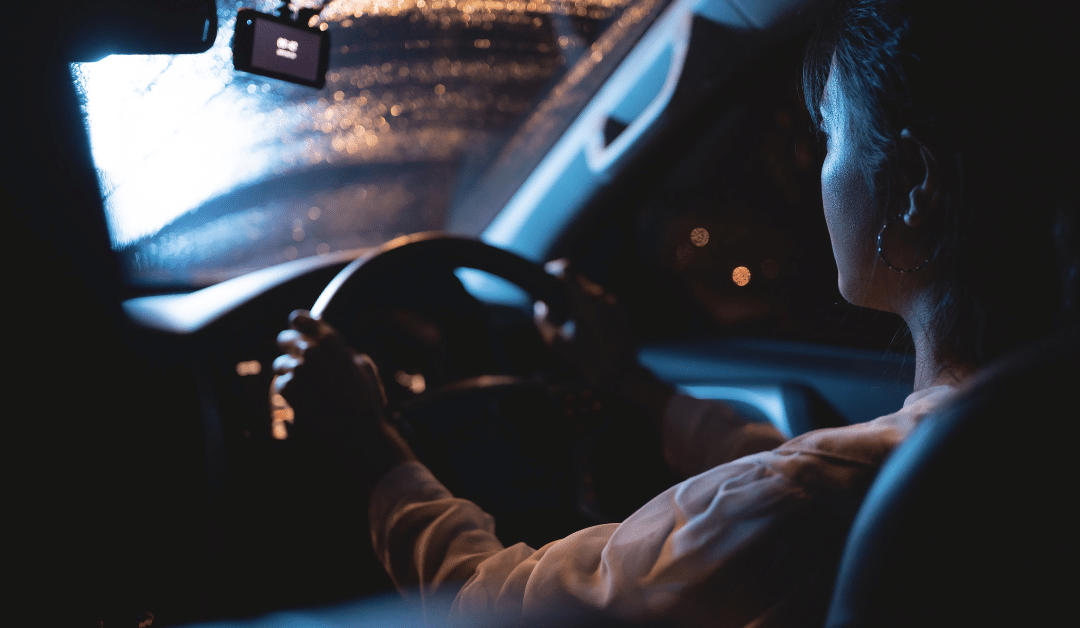
A vehicle breakdown is never convenient, but experiencing car trouble at night can make an already stressful situation even more challenging. Limited visibility, reduced traffic, unfamiliar surroundings, and difficulty identifying mechanical problems can leave drivers uncertain about what to do next.
Whether your engine suddenly stops, a tire blows out, or your vehicle begins making unusual noises, knowing how to respond can help protect you and your passengers. The decisions you make immediately after noticing a problem are especially important when visibility is limited.
An emergency towing service can help transport a disabled vehicle to a safer location or repair facility when continuing to drive is not an option. However, there are several important steps to take before assistance arrives.
Understanding how to handle a nighttime breakdown can help you remain calm, reduce unnecessary risks, and make the situation easier to manage.
1. Recognize the Warning Signs Before Your Vehicle Stops
Many vehicle breakdowns begin with warning signs before the car becomes completely disabled. Recognizing these symptoms early may give you enough time to reach a safer location.
Common warning signs include unusual engine noises, dashboard warning lights, difficulty accelerating, steering problems, smoke, and sudden changes in vehicle performance.
If your vehicle begins behaving abnormally, avoid assuming the problem will resolve itself. Continuing to drive can make certain mechanical issues worse and potentially leave you stranded in a dangerous location.
At night, finding a safe place to stop becomes especially important. Look for a well-lit parking lot, rest area, or another location away from moving traffic if the vehicle can still be driven safely.
If the problem makes driving unsafe, stop as soon as you can safely do so and arrange an emergency towing service rather than attempting to reach your destination.
2. Pull Over Somewhere Safe
Once you realize your vehicle may be breaking down, your first priority should be getting out of active traffic.
If possible, gradually reduce your speed, activate your turn signal, and move toward a safe stopping location. Avoid sudden braking or abrupt steering movements that could surprise other drivers.
A parking lot or rest area is generally preferable to a narrow highway shoulder. However, if your vehicle cannot travel farther safely, use the safest available location.
When stopping on a highway, try to position your vehicle as far from moving traffic as conditions allow. Avoid stopping near curves, hills, or other areas where approaching drivers may have difficulty seeing you.
Do not attempt to drive a mechanically unsafe vehicle several additional miles simply to find a more convenient location.
Once stopped, assess your surroundings before deciding whether to remain inside the vehicle or move elsewhere. Once you are safe, you can call an emergency towing service.
3. Make Your Vehicle Visible to Other Drivers
Visibility is one of the biggest concerns during a nighttime breakdown. Other drivers may have difficulty recognizing a disabled vehicle until they are dangerously close.
Turn on your hazard lights immediately to alert approaching traffic. If your vehicle’s electrical system is still functioning, these lights can help communicate that you are experiencing a problem.
Reflective warning triangles may provide additional visibility when they can be placed safely. However, never walk into traffic or expose yourself to danger to position them.
If you are stopped along a busy highway, remaining inside your vehicle with your seat belt fastened may be safer than standing near traffic, depending on the circumstances.
When contacting an emergency towing service, explain whether your vehicle is on a highway shoulder, in a parking lot, or another location where visibility may be limited.
Providing this information helps the towing provider understand the roadside conditions.
4. Evaluate Whether It Is Safe to Exit
Getting out of a disabled vehicle is not always the safest decision, especially at night. Before opening a door, check your mirrors and surroundings for approaching traffic. If vehicles are passing close to your car, exiting could put you directly in their path.
If your vehicle is safely positioned in a parking lot or another area away from traffic, you may be able to exit without significant risk. However, if you are stranded on a highway shoulder, remaining inside with your seat belt fastened may be the safer option until assistance arrives.
There are exceptions. If you notice smoke, flames, or another immediate danger, leave the vehicle if you can do so safely and move away from it. If your vehicle is blocking traffic or you are in immediate danger, contact emergency services.
Your safety should always come before inspecting the vehicle or attempting repairs. It is much safer to get out of harms way and call an emergency towing service than it is to attempt repairs on the side of the road.
5. Determine Whether Your Vehicle Can Be Driven
Not every mechanical problem requires towing, but certain warning signs indicate that continuing to drive could be dangerous.
A dead battery, minor tire problem, or another relatively straightforward issue may sometimes be addressed through roadside assistance.
More serious problems require additional caution. Engine overheating, brake failure, steering problems, significant fluid leaks, or severe tire damage can make a vehicle unsafe to operate.
If you notice smoke, a strong burning smell, or a major change in engine performance, avoid restarting the vehicle until the problem has been evaluated.
An emergency towing service is often the appropriate choice when the vehicle cannot be driven safely or the problem requires professional repairs.
Remember that a vehicle being capable of moving does not necessarily mean it is safe to drive.
6. Contact a Professional Towing Provider
Once you are safely stopped and have assessed the situation, the next step is arranging appropriate assistance.
When contacting an emergency towing service, provide as much accurate information as possible about your location and vehicle.
Helpful details include:
- Your exact location or nearest intersection
- The highway exit or mile marker, if applicable
- Your vehicle’s make and model
- A description of the mechanical problem
- Whether the vehicle is blocking traffic
- Any special circumstances affecting access
If you are unfamiliar with the area, your phone’s mapping application may help identify your location.
Explain whether the vehicle has a flat tire, will not start, is overheating, or has experienced another mechanical failure.
Clear communication helps the towing provider determine what equipment may be needed and where to find you.
7. Avoid Attempting Complicated Repairs in the Dark
When a vehicle breaks down, it can be tempting to investigate the problem immediately. However, nighttime roadside repairs can introduce additional risks.
Limited lighting makes it difficult to identify damaged components, see approaching vehicles, or work safely around the engine.
Attempting to change a tire on a narrow shoulder, inspect components beneath the vehicle, or repair an unfamiliar mechanical issue can be especially dangerous.
Even relatively simple tasks may become unsafe when performed near moving traffic.
If you cannot safely address the problem, an emergency towing service can transport your vehicle to a location where a technician can inspect it under more appropriate conditions.
Waiting for professional assistance is often preferable to attempting repairs without the necessary equipment, lighting, or experience.
8. Stay Alert While Waiting for Assistance
After arranging an emergency towing service, remain aware of your surroundings while waiting. Keep your phone accessible and conserve battery power when possible. If you have passengers, make sure everyone understands whether they should remain inside the vehicle or move to a safer location.
Avoid accepting unsolicited assistance from strangers if you are uncomfortable with the situation. You can communicate with the towing provider directly to confirm who is responding.
If you need to leave your vehicle because of an immediate hazard, move to a safe location away from traffic.
During colder months, nighttime temperatures can drop quickly. Keep appropriate clothing or blankets in your vehicle, especially when traveling longer distances.
When waiting for an emergency towing service, follow any safety instructions provided by the dispatcher and notify them if your situation changes.
9. Understand What Happens When the Tow Truck Arrives
When the tow truck arrives, the operator will assess the vehicle’s condition and determine how it should be loaded or transported.
Different vehicles and situations may require different towing equipment. Factors such as drivetrain configuration, vehicle damage, and accessibility can affect the towing method.
The operator may ask questions about what happened and whether the vehicle can shift into neutral or roll normally.
Follow the operator’s instructions and remain clear of the loading area. Do not stand between the tow truck and your vehicle or near equipment while it is operating.
Before transportation begins, confirm the destination and ask about any applicable charges or payment arrangements.
A professional emergency towing service helps move a disabled vehicle without requiring you to continue driving with a potentially serious mechanical problem.
10. Prepare for Nighttime Breakdowns Before They Happen
Although not every breakdown can be prevented, preparation can make an unexpected roadside emergency easier to manage.
Routine maintenance is one of the most effective ways to reduce the likelihood of mechanical problems. Regularly inspect your tires, battery, brakes, fluids, and lighting systems.
Address warning lights and unusual vehicle behavior before they develop into larger issues.
Keeping an emergency kit in your vehicle is also helpful. Consider including a flashlight, reflective warning triangles, phone charger, first aid supplies, warm clothing, and drinking water.
Before taking longer trips, check your vehicle’s condition and review your route.
Saving the contact information for an emergency towing service ahead of time can also help you avoid searching for assistance while stranded in an unfamiliar area.
Preparation cannot eliminate every unexpected breakdown, but it can help you respond more confidently when problems occur.
Understanding What To Do
A nighttime vehicle breakdown can be intimidating, but understanding what to do can make a significant difference. Recognizing warning signs, finding a safe stopping location, improving visibility, and avoiding unnecessary roadside repairs are important steps toward protecting yourself.
When your vehicle cannot be driven safely, professional towing provides a practical way to get it to an appropriate location for repairs.
Rather than risking further mechanical damage or attempting to continue driving under unsafe conditions, contacting an emergency towing service allows you to focus on staying safe while your vehicle is transported.
At V&M Towing, we provide automotive towing and roadside assistance services to help drivers dealing with unexpected vehicle problems.
Stay up to date with the latest at V&M Towing and Recovery by following us on Instagram and Facebook.