
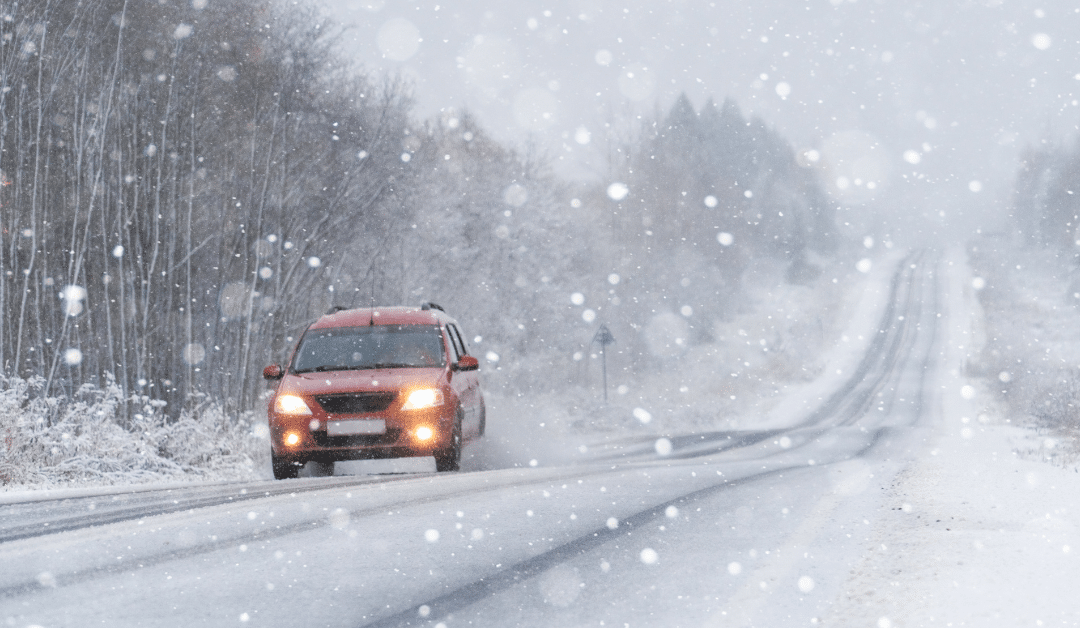
Winter can be particularly challenging for vehicles, especially in areas that experience freezing temperatures, snow, ice, and rapidly changing road conditions. Cold weather affects everything from battery performance to tire pressure, making routine vehicle care especially important during the colder months.
For drivers in Pennsylvania and other regions with harsh winters, preparing a vehicle before temperatures drop can help prevent unexpected mechanical problems. A car that performs reliably during warmer months may develop starting difficulties, fluid issues, or other problems when exposed to freezing conditions.
Following a consistent winter vehicle maintenance routine can help improve reliability, reduce the risk of breakdowns, and keep your vehicle operating safely throughout the season. While no amount of preparation can eliminate every unexpected problem, taking preventative measures can make a significant difference.
Here are eight winter vehicle maintenance tips to help protect your vehicle and avoid unnecessary roadside emergencies this winter.
1. Test Your Car Battery Before Temperatures Drop
Your vehicle’s battery is one of the most important components to inspect before winter arrives. Cold temperatures slow the chemical reactions inside a battery, reducing its ability to deliver the power needed to start the engine.
At the same time, cold engines often require more power to start. This combination can make an aging or weakened battery particularly vulnerable to failure.
Common warning signs include slow engine cranking, dim headlights, clicking noises when starting, and electrical accessories that operate inconsistently.
As part of your winter vehicle maintenance routine, have your battery tested to determine whether it can provide sufficient starting power. A technician can also inspect the battery terminals for corrosion and check the charging system.
If your battery is several years old, testing becomes especially important. Battery lifespan varies depending on driving habits, climate, and vehicle conditions.
Replacing a weak battery before it fails can help prevent the frustration of discovering that your car will not start on a freezing morning.
2. Inspect Your Tires and Monitor Tire Pressure
Tires play a major role in vehicle safety, especially when roads become wet, snowy, or icy. Worn tread and improper tire pressure can reduce traction, increase stopping distances, and make handling more difficult.
As temperatures decrease, tire pressure naturally drops. A general guideline is that tire pressure changes by approximately one pound per square inch for every 10-degree Fahrenheit change in temperature.
Underinflated tires can affect handling, fuel efficiency, and tire wear. Check your tire pressure regularly using the manufacturer’s recommended pressure, typically listed on a label inside the driver’s door.
Another important part of winter vehicle maintenance is inspecting tire tread depth and overall condition.
Look for uneven wear, cracks, bulges, or other visible damage. If you regularly drive through snow or freezing conditions, winter tires may provide better traction than all-season tires.
Remember that even high-quality winter tires cannot eliminate the dangers of icy roads. Maintaining appropriate speeds and following distances remains essential.
3. Check Your Engine Oil and Other Essential Fluids
Your vehicle depends on several fluids to operate properly, and cold temperatures can affect their performance.
Engine oil is especially important because it lubricates moving engine components and helps protect against excessive friction. Oil becomes thicker in colder temperatures, which can make circulation more difficult during startup.
Using the oil viscosity recommended by your vehicle manufacturer helps ensure proper engine protection throughout the year.
Winter vehicle maintenance should also include checking coolant, brake fluid, transmission fluid, and windshield washer fluid.
Coolant protects the engine against freezing and overheating when maintained at the proper concentration. A cooling system that contains an incorrect coolant mixture may be vulnerable to freezing damage.
Windshield washer fluid should also be suitable for freezing temperatures. Regular washer fluid may freeze in the reservoir or lines, leaving you unable to clean your windshield.
Inspect fluid levels and look for leaks beneath the vehicle. Addressing problems early can help prevent more serious mechanical failures.
4. Inspect Your Brakes Before Winter Driving
Reliable brakes are essential throughout the year, but winter road conditions make proper braking performance even more important.
Snow, ice, and slush can reduce tire traction, making it harder for your vehicle to stop quickly. Worn brake components can further complicate an already challenging situation.
Before winter, have your brake pads, rotors, calipers, and brake fluid inspected according to your vehicle’s maintenance needs.
Warning signs of brake problems include grinding noises, squealing, vibration when braking, a soft brake pedal, or a vehicle that pulls toward one side when stopping.
Including brake inspections in your winter vehicle maintenance plan can help identify worn or damaged components before they become more serious.
Remember that anti-lock braking systems help drivers maintain steering control during certain braking situations, but they do not eliminate the need for appropriate following distances.
If your brakes begin behaving unusually, arrange an inspection rather than waiting for the problem to worsen.
5. Examine Your Heating and Defrosting Systems
Your vehicle’s heating system does more than keep passengers comfortable and should be part of your winter vehicle maintenance routine. It also plays an important role in maintaining visibility during winter driving. A properly functioning defroster helps remove condensation and frost from your windshield, allowing you to see the road clearly.
If your heater produces little warmth, your windows take unusually long to clear, or airflow seems weak, your vehicle may need attention. Potential causes include low coolant levels, thermostat problems, heater core issues, or problems with the blower motor.
Winter vehicle maintenance should include checking that your heater, windshield defroster, and rear-window defogger operate correctly.
It is also worth inspecting your cabin air filter, as a clogged filter can restrict airflow through the ventilation system.
Never begin driving until your windows are sufficiently clear. Reduced visibility can make winter road conditions significantly more dangerous.
Addressing heating and defrosting problems before freezing weather arrives can help prevent uncomfortable and potentially unsafe driving situations.
6. Replace Worn Windshield Wipers and Check Your Lights
Winter weather can quickly reduce visibility. Snow, freezing rain, road salt, and slush can accumulate on your windshield, making properly functioning wipers essential.
Inspect your windshield wiper blades for cracks, stiffness, uneven contact, or streaking. Replace blades that no longer clear the glass effectively. Consider using winter-rated wiper blades if you regularly encounter heavy snow and ice.
Your winter vehicle maintenance checklist should also include inspecting headlights, taillights, brake lights, and turn signals. Shorter daylight hours mean drivers frequently travel in darkness, increasing the importance of functioning exterior lights.
Clean accumulated dirt and road salt from your headlights to maintain visibility. Before operating your wipers, remove heavy snow and ice from the windshield. Attempting to use frozen wipers can damage the blades or strain the wiper motor.
Maintaining clear windows and functioning lights helps you see surrounding traffic while making your vehicle more visible to other drivers.
7. Inspect Belts, Hoses, and the Cooling System
Cold weather can expose weaknesses in aging rubber components, including belts and hoses. Over time, these components may develop cracks, leaks, or other signs of deterioration. Temperature changes can make existing weaknesses more noticeable.
A damaged serpentine belt may affect several important systems, depending on your vehicle’s design. Problems with coolant hoses can lead to fluid loss and engine overheating. Although overheating is commonly associated with summer, it can happen during winter as well.
A complete winter vehicle maintenance inspection should include checking accessible belts, hoses, and cooling system components for visible damage.
Watch for coolant leaks, unusual squealing noises, temperature fluctuations, or signs of deteriorating rubber. If your engine temperature begins rising unexpectedly, stop driving when it is safe to do so. Continuing to operate an overheating engine can cause significant damage.
Routine inspections can help identify potential failures before they leave you stranded in freezing conditions.
8. Prepare an Emergency Kit for Winter Breakdowns
Even with careful maintenance, unexpected breakdowns can still happen. A mechanical problem, damaged tire, or sudden weather change may leave you waiting for assistance.
Keeping an emergency kit in your vehicle can help you stay prepared.
Useful items include:
- A flashlight and extra batteries
- Warm blankets, gloves, and winter clothing
- A phone charger or portable power bank
- Drinking water and nonperishable snacks
- A first aid kit
- Reflective warning triangles
- An ice scraper and snow brush
- A small shovel for snow
Emergency preparation is an important part of winter vehicle maintenance because it helps you manage situations that routine inspections cannot always prevent.
Before longer trips, check weather forecasts, review your route, and let someone know your travel plans. If your vehicle breaks down, move to a safe location if possible and activate your hazard lights. Avoid attempting repairs near moving traffic.
When your vehicle cannot be driven safely, professional towing or roadside assistance may be necessary.
Preparing for Cold Weather
Preparing your vehicle for cold weather is one of the most practical ways to reduce the likelihood of unexpected breakdowns. From testing your battery and inspecting tires to checking fluids, brakes, and heating systems, preventative care helps protect important vehicle components.
Consistent winter vehicle maintenance can also help drivers identify small mechanical issues before they become expensive repairs or roadside emergencies.
Although winter driving presents additional challenges, staying informed and maintaining your vehicle can help you travel with greater confidence.
If your vehicle experiences a breakdown or cannot be operated safely, V&M Towing can help with professional towing and roadside assistance.
Stay up to date with the latest at V&M Towing and Recovery by following us on Instagram and Facebook.